Understanding Student Motivation

What is Motivation?
Motivation is an internal process that activates, guides, and maintains behavior over time (Salvin, 2021). Essentially, it's what gets you going and keeps you going until you meet your goal.
Motivation is essential for student engagement. It determines how much a student will learn and what they're willing to learn. If they're not motivated and engaged, they're not going to retain the information being taught to them.
There are two different kinds of motivations: Intrinsic motivation and Extrinsic motivation. One is an internal desire to learn something while the other is goal driven whether thats a reward, praise, or a good grade.

Intrinsic Motivation
Understanding the difference between intrinsic and extrinsic motivation is key to creating a motivating classroom. Intrinsic motivation stems from a genuine enjoyment or interest in the activity itself. Students engage in learning because they find the subject fascinating or fulfilling. For example, a student might explore a topic further simply because they find it intriguing, not for a grade. This fosters lifelong learning (Nickerson, 2026).

Extrinsic Motivation
Extrinsic motivation, conversely, is driven by external rewards, such as a good grade. A student might spend extra time researching for an assignment, aiming for an A. While effective, balance is key to nurture a love for learning (Nickerson, 2026).
Theories and Principles
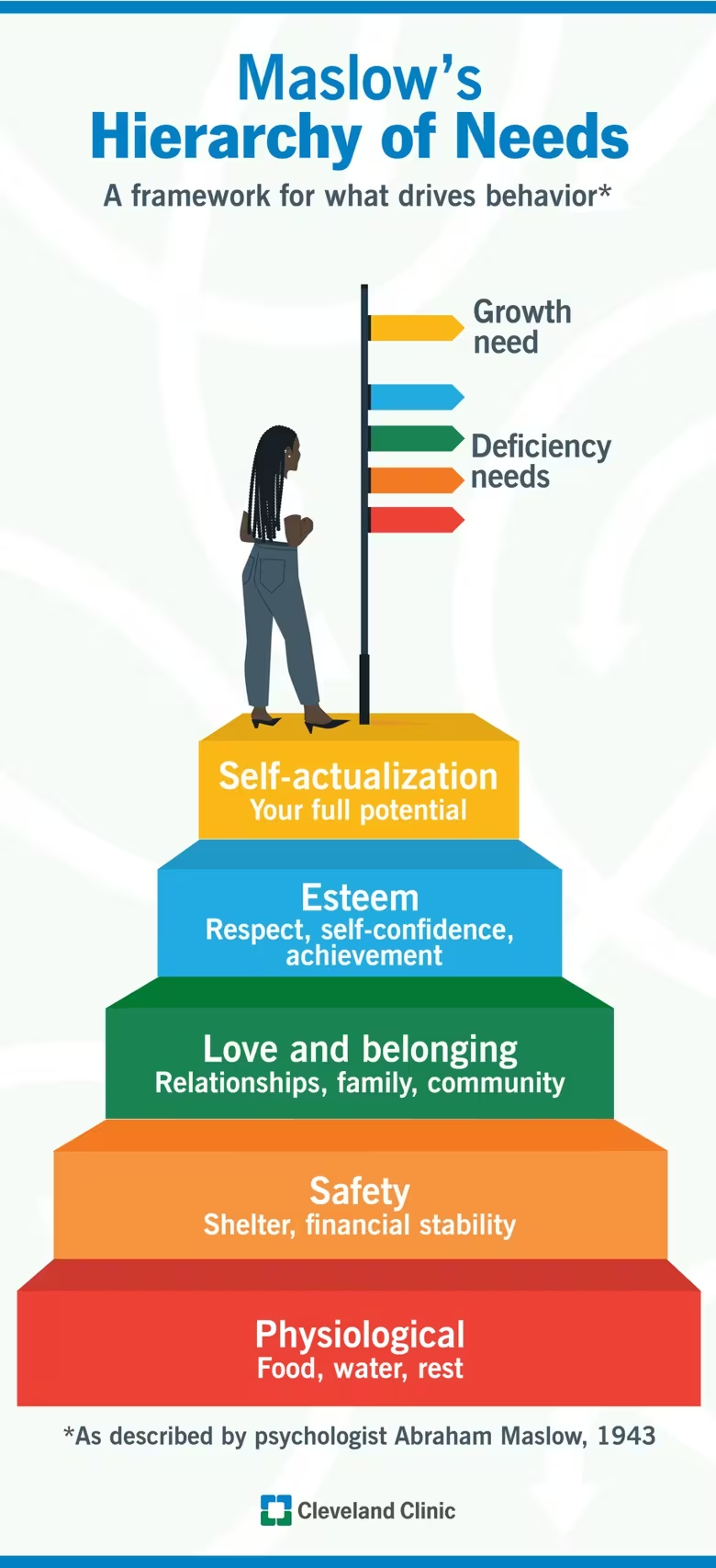
Maslow's Hierarchy of Needs theory suggests that individuals must have their lower tier needs met to reach their full potential and remain motivated. These basic needs encompass psychological needs, safety needs, belonging and love, and esteem needs. Once these needs are satisfied, individuals can then be motivated to pursue their higher tier needs, which include the need to know, aesthetic needs, and self-actualization (McLeod, 2026).
Attribution theory is a valuable concept in understanding student motivation, as it describes the process by which students analyze and interpret the causes of their successes and failures, particularly in academic contexts (Urhahne & Wijnia, 2023). Specifically, it refers to the way students attempt to determine the underlying reasons for events like earning a passing grade or, conversely, receiving a failing grade. This internal analysis significantly impacts their subsequent effort, persistence, and overall engagement in learning.
End Thought...
Recognizing and using both types can create a more engaging environment. However, over-reliance on extrinsic motivators can negatively impact intrinsic motivation. Activities once enjoyed for learning can become purely reward-driven, leading to boredom and difficulty retaining information.
Create Your Own Website With Webador